
Appliances
Orthodontic appliances do more than straighten teeth. At Pleasanton Dental Specialists, we use custom appliances to help guide jaw development, create space, correct bite concerns, and support a healthy, aligned smile.
 830-631-0770
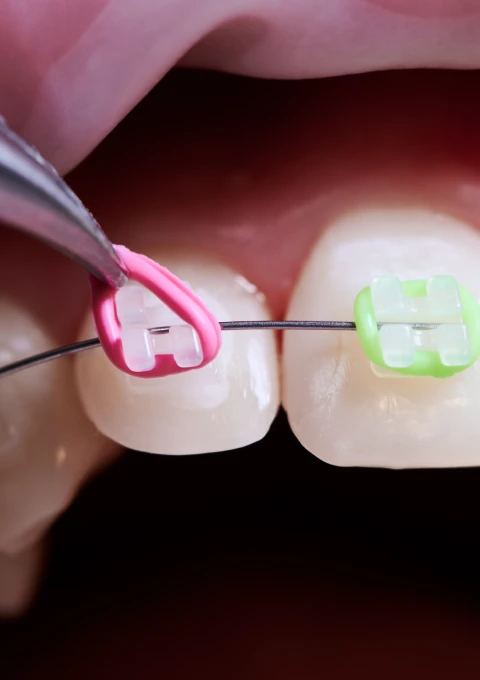


Orthodontic Appliances in Pleasanton, TX
Why Would I Need an Orthodontic Appliance? Braces and clear aligners aren’t always the only tools a smile needs. Based on your teeth, bite, jaw development, and age, your orthodontist may recommend an appliance as part of your personalized treatment plan.
At Pleasanton Dental Specialists, appliances may be used to create space for developing teeth, guide jaw growth, or correct bite problems. They may also help maintain tooth position or prepare your smile for braces and other orthodontic treatment.
Not every patient needs an appliance, and the right one depends on your individual needs. Before treatment begins, our Pleasanton orthodontic team will explain what the appliance does and why we recommend it. We’ll also walk you through how long you may need it and how to care for it.

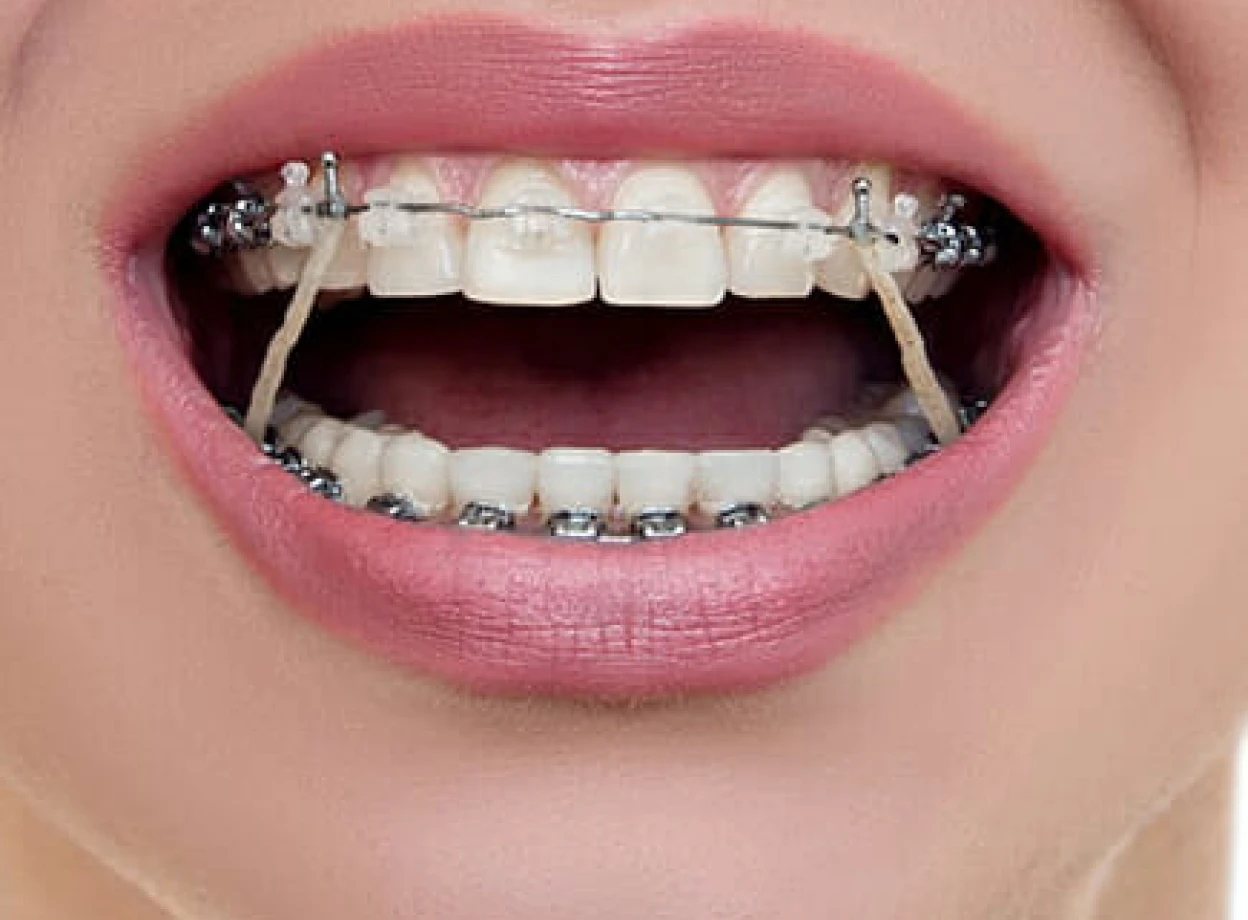
Elastics
Orthodontic elastics, often called rubber bands for braces, apply gentle, steady pressure to move your teeth and bite into their ideal positions. Depending on your treatment plan, elastics may help:
- Correct overbites, underbites, and crossbites
- Improve jaw and bite alignment
- Close spaces between teeth
- Guide teeth into their proper positions
For the best results, wear your elastics exactly as your orthodontist directs. Consistent wear keeps treatment on track, so follow your recommended schedule and replace your elastics as instructed.nt on track, so be sure to follow your recommended schedule and replace your elastics as instructed.
Headgear
Your orthodontist may recommend headgear when your jaw growth or tooth movement needs more guidance than braces alone can provide. It’s most often used in childhood or the teen years, while the jaw is still developing, and may help correct certain bite and alignment concerns.
If headgear is part of your treatment, your orthodontist will show you exactly how and when to wear it. Following those instructions consistently can help treatment progress as planned and lower the risk of a longer overall treatment time.

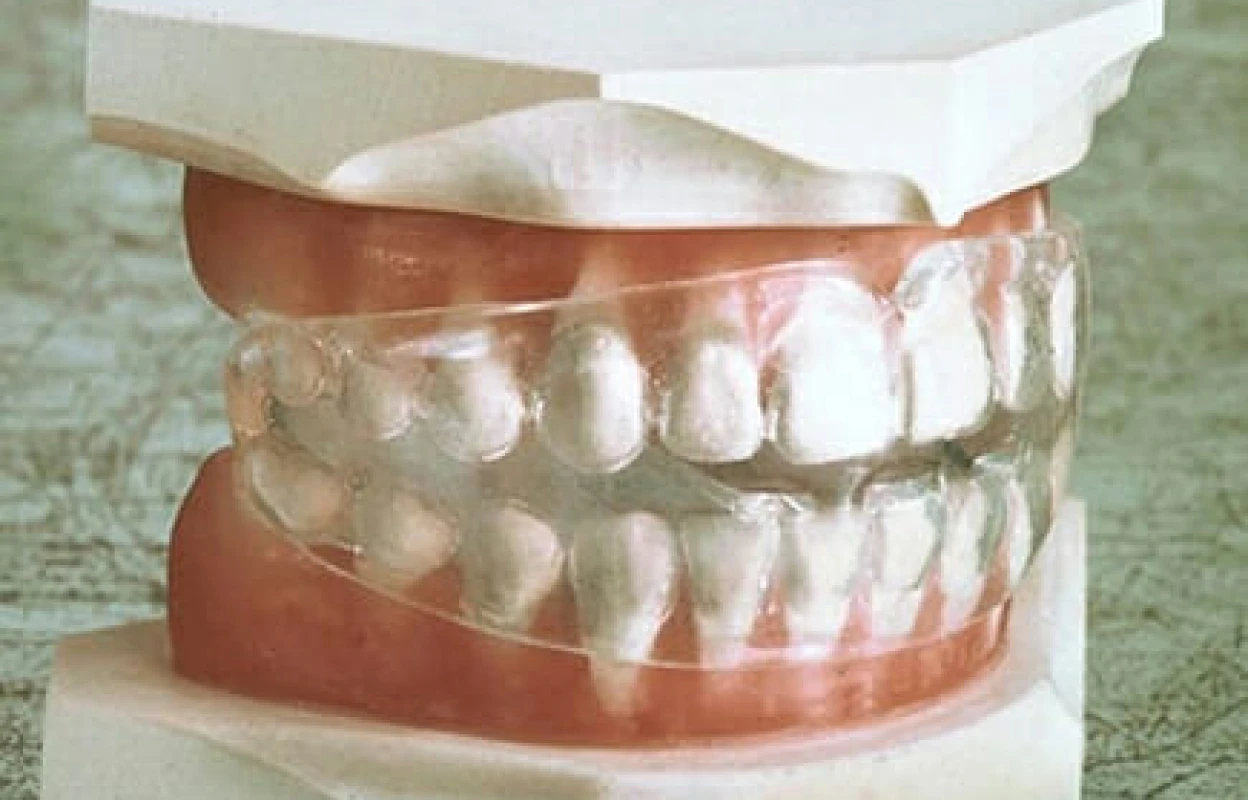
Positioners
Near the end of treatment, your orthodontist may use a positioner to fine-tune tooth alignment and improve how your bite fits together. This custom appliance gently guides your teeth into their final positions after braces or other orthodontic treatment.
Your orthodontist will decide how often and how long to wear your positioner based on your needs. Sticking to that schedule protects your progress and adds the finishing touches to a healthy, beautifully aligned smile.
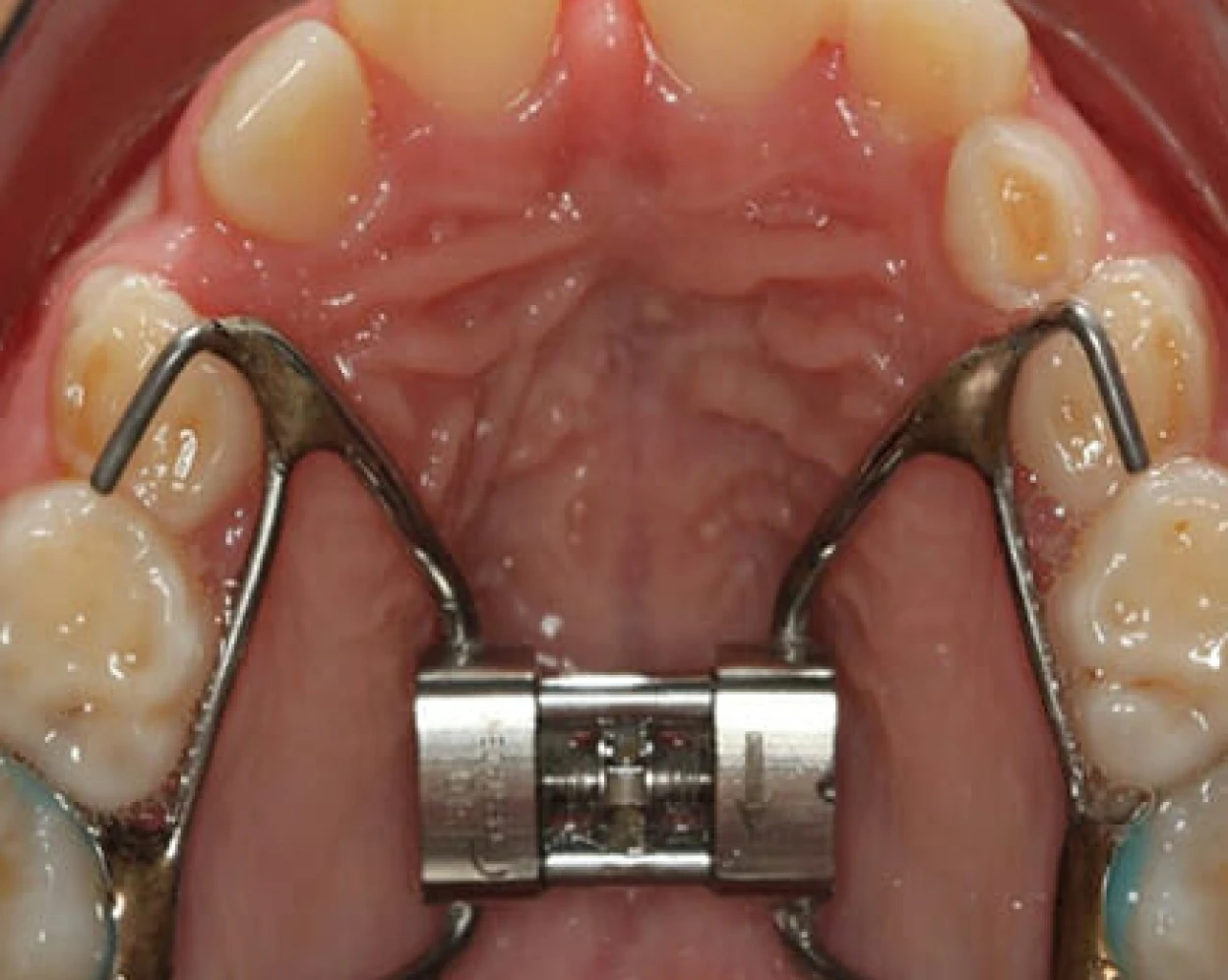
Rapid Palatal Expander
A rapid palatal expander gradually widens the upper jaw. This creates extra space and improves how the upper and lower teeth fit together. Expanders are often used while a child or teen is still growing, so your orthodontist can guide jaw development at an ideal stage.
The appliance typically attaches to the upper teeth and is adjusted gradually, following your orthodontist’s instructions. Depending on each patient’s needs, a palatal expander may help address:
- Crossbite
- Dental crowding
- A narrow upper jaw
- Certain bite and alignment concerns
An early orthodontic evaluation can show whether palatal expansion may simplify future treatment. It can also help build a healthier foundation for a growing smile.
Retainers
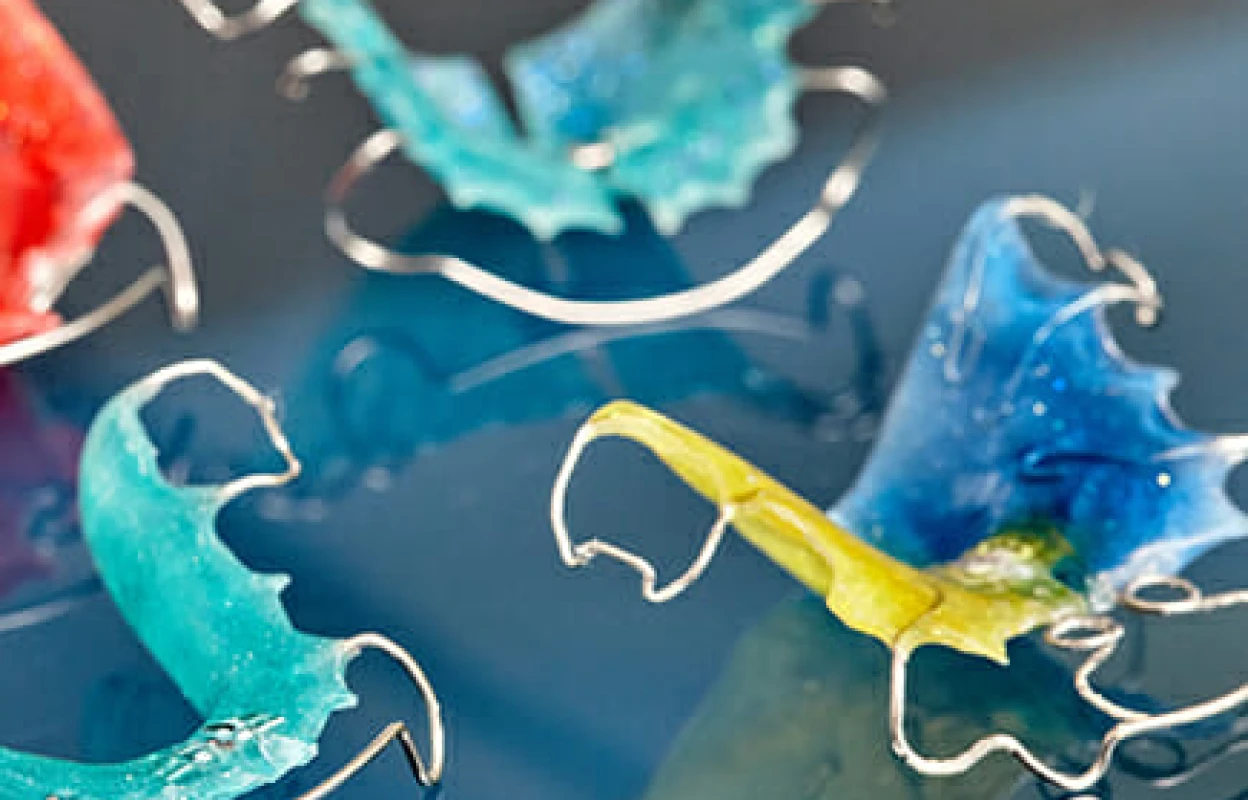
Finishing braces or clear aligners is an exciting milestone, and keeping your teeth in their new positions matters just as much. Retainers help maintain your results while the bone and tissues around your teeth adjust after treatment.
Your orthodontist will recommend the retainer type and wear schedule that fit you best. Wearing your retainer as directed can help keep teeth from shifting, protect your progress, and keep your smile beautifully aligned for years to come.
Spacers
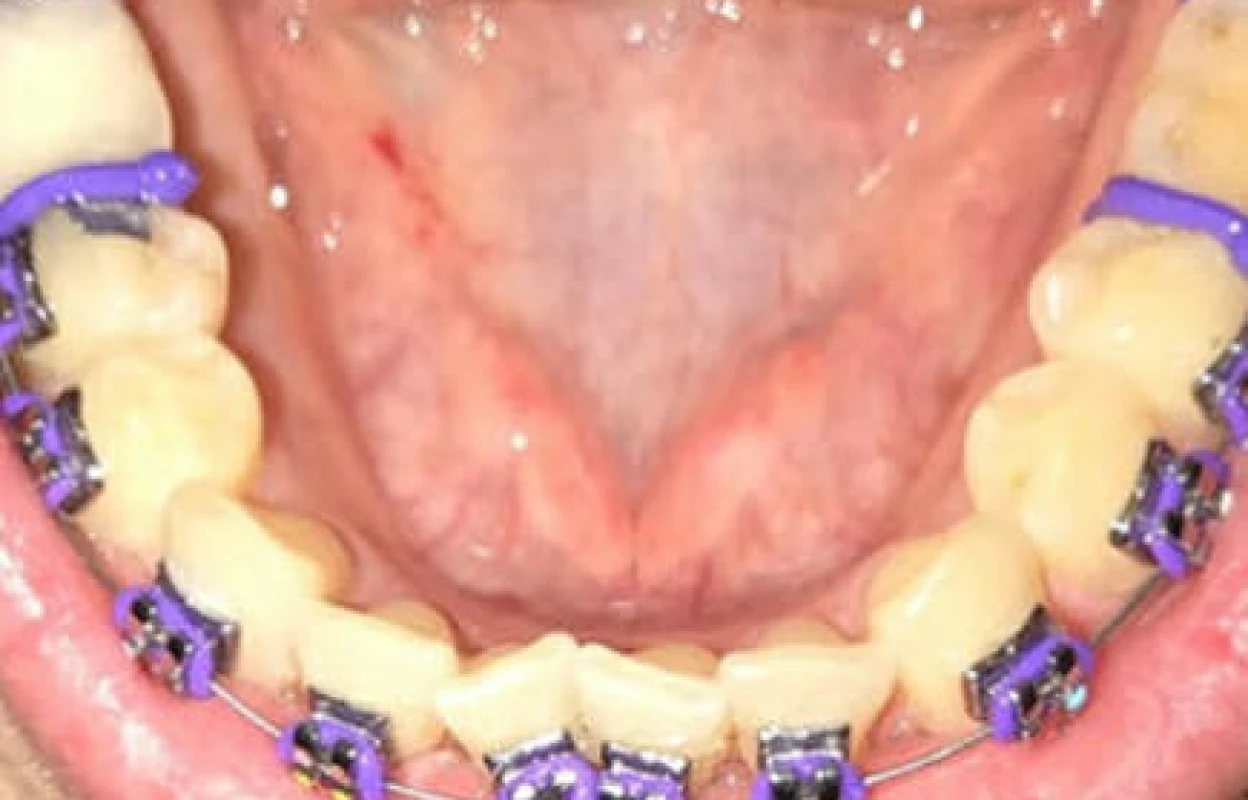
Orthodontic spacers, also called separators, are small elastic rings placed between certain teeth. They gently create space for orthodontic bands or other appliances. Spacers are usually worn for a short time before the next stage of treatment.
Some pressure or mild tenderness is normal while your teeth adjust. Avoid sticky or chewy foods that could loosen your spacers, and don’t floss between those teeth unless your orthodontist tells you to. If a spacer falls out before your next visit, contact our team and we’ll let you know whether it needs to be replaced.


Let's Find The Right Treatment
For You Today!
We’d love to help you find the right next step for your smile. Contact us or fill out our easy online appointment request form. We look forward to hearing from you!